How to Remove Oxidation From Vinyl and Metal Siding in Kankakee & Will County
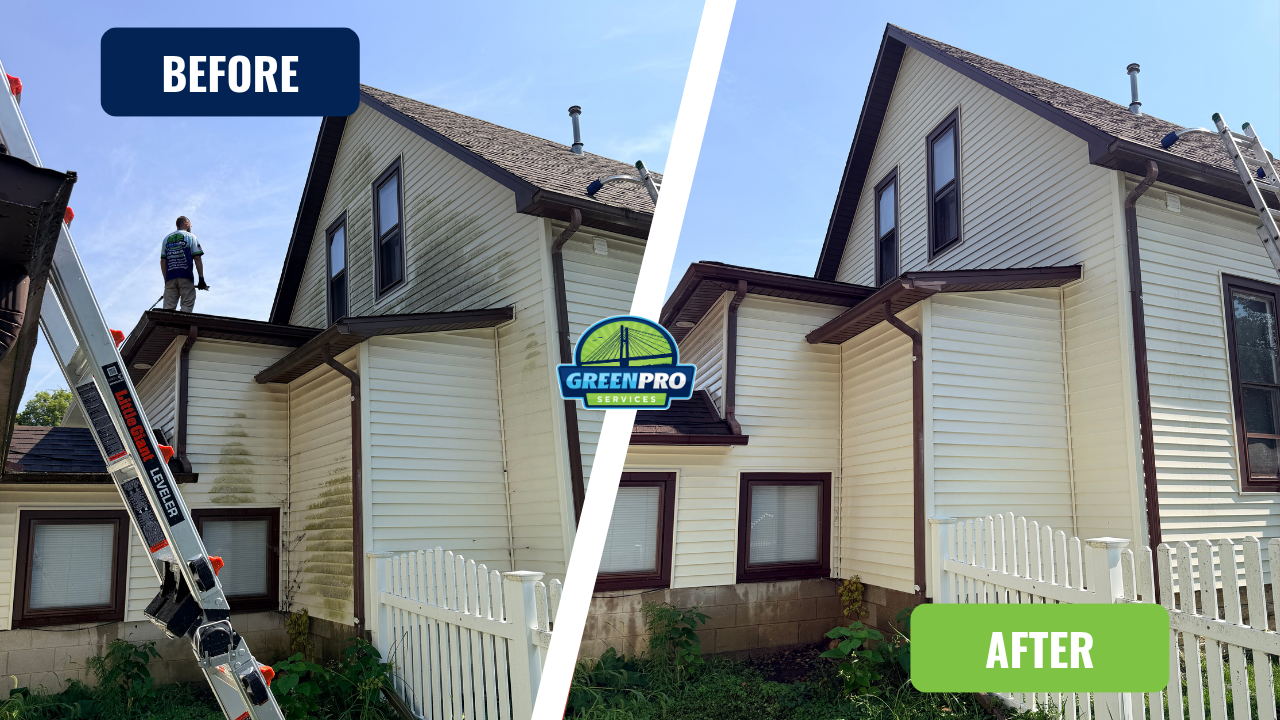
Oxidation is the chalky, faded residue that shows up on vinyl siding, aluminum siding, painted metal siding, gutters, soffits, fascia, and metal barns.
It can look like dirt, road film, farm dust, or algae, but it needs a different cleaning process than a standard house wash.
Green Pro Services helps homeowners and property owners across Kankakee County and Will County identify oxidation, clean it with the right method, and avoid damage from high pressure or the wrong chemical mix.
Learn more about house washing
or request a free estimate from Green Pro Services.
What Is Siding Oxidation?
Siding oxidation happens when sun, weather, age, and surface breakdown create a chalky film on vinyl, aluminum, or painted metal siding. In Kankakee County and Will County, oxidation often shows up faster on south-facing and west-facing walls because those sides get more sun exposure.
Common signs include:
- White chalk on your hand after rubbing the siding
- Faded or dull siding color
- Tiger stripes under gutters or metal trim
- Uneven clean spots after pressure washing
- Cloudy streaks on metal barn siding
- Gray or milky runoff during cleaning
Oxidation Is Not the Same as Algae
Algae, mildew, and organic growth often come off with a standard soft wash. Oxidation removal needs a separate process. If someone pressure washes oxidized siding like dirty concrete, the siding can end up with wand marks, clean streaks, faded patches, or permanent uneven spots.
Best Practices for Vinyl Siding Oxidation Removal
Vinyl siding needs a controlled cleaning process. A standard house wash can remove algae and dirt, but it will not always remove oxidation. For oxidized vinyl, Green Pro Services follows a test-first process.
1. Test the Siding
We rub the siding by hand to check for chalky residue. This tells us if the siding has oxidation before any cleaning starts.
2. Clean Organic Growth First
We remove algae, mildew, spider webs, and loose dirt before treating oxidation. This gives the oxidation remover direct contact with the surface.
3. Use Low Pressure
High pressure can scar vinyl siding and create uneven results. Low pressure protects siding, seals, windows, and trim.
4. Agitate With a Soft Brush
Oxidation often needs light brushing. The goal is to loosen chalk without scratching or burning the surface.
Best Practices for Metal Siding Oxidation Removal
Metal siding, aluminum siding, steel siding, and painted barn panels need extra caution. Many metal buildings use coated panels. The wrong cleaner, too much dwell time, or abrasive scrubbing can damage the paint finish.
For metal siding oxidation, we focus on:
- Identifying whether the surface is painted metal, bare metal, aluminum, or coated steel
- Testing a small hidden section before full cleaning
- Using soft brushes, microfiber, or non-abrasive pads
- Avoiding aggressive pressure, wire brushes, and harsh abrasives
- Rinsing well so no cleaner dries on the panel
- Explaining when cleaning can improve the surface and when repainting may work better
Metal Barn Oxidation Warning
Older metal barns can have paint that has broken down past the surface layer. In those cases, oxidation removal may expose thin paint, bare metal, or uneven color. A test spot protects the customer and the property before a full restoration attempt.
Can Pressure Washing Remove Oxidation?
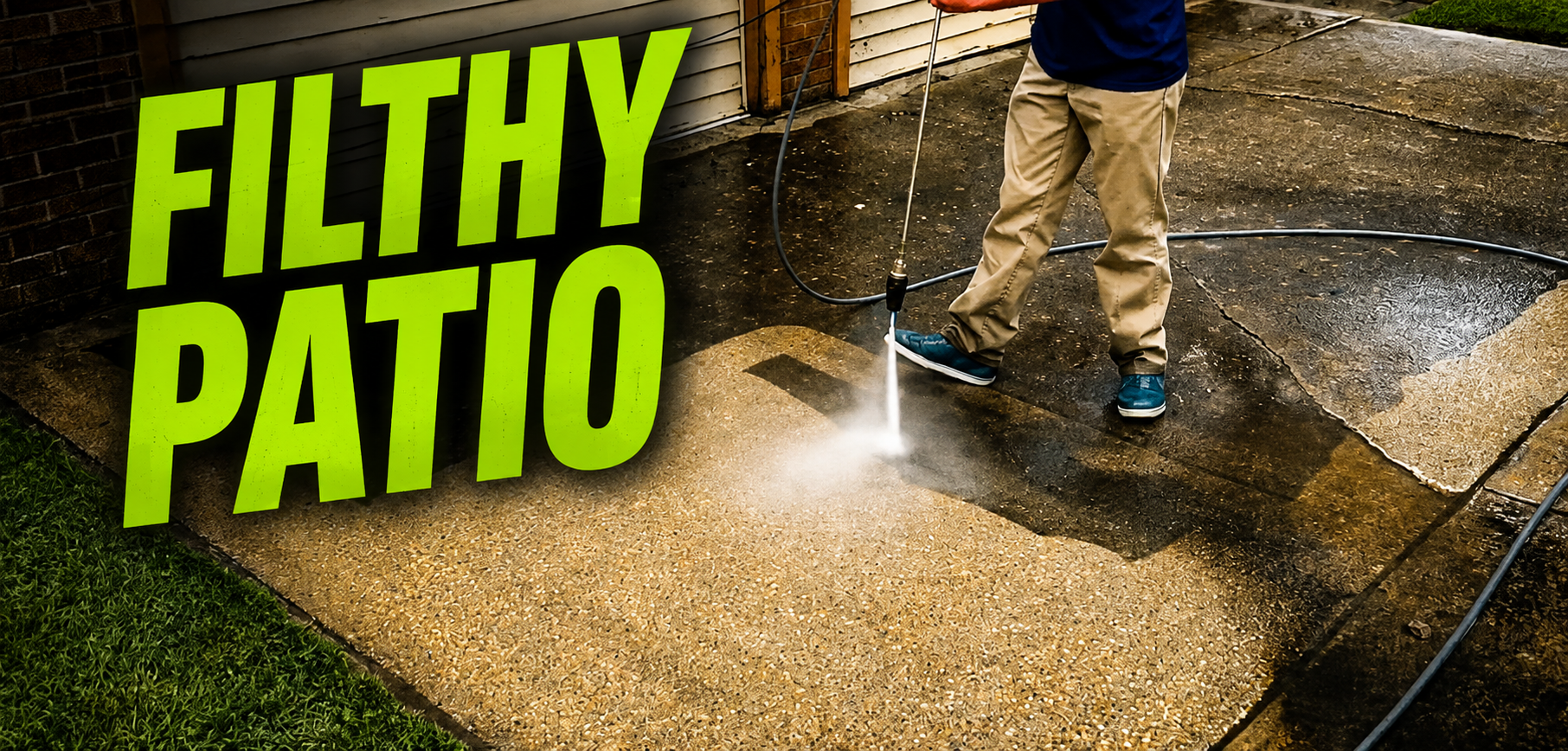
Pressure washing alone does not solve oxidation. It can make the problem look worse. High pressure may remove oxidation in streaks while leaving other sections chalky. That creates visible wand marks, tiger striping, and uneven siding color.
For siding oxidation, the best method uses:
- A safe cleaner made for the surface
- Controlled dwell time
- Soft agitation when needed
- Low-pressure rinsing
- Clear expectations before work begins
Does Bleach Remove Oxidation From Siding?
Bleach can help remove algae, mildew, and organic growth. Bleach does not restore faded siding by itself. On oxidized surfaces, strong bleach or poor rinsing can make chalking more visible, especially around gutters, soffits, and sun-faded panels.
Green Pro Services treats oxidation as a separate cleaning issue from algae. That protects the siding and gives the homeowner a better result.
Can Oxidized Vinyl Siding Look New Again?
Sometimes. Light oxidation can improve a lot with proper cleaning. Heavy oxidation may improve, but it may not look brand new. If the siding has lost pigment or the surface has degraded for years, cleaning can remove chalk, but it cannot replace the original factory finish.
The best answer depends on three things:
- Age of the siding
- Depth of oxidation
- Color and sun exposure
Can Oxidized Metal Siding Be Restored?
Light chalking on painted metal siding can often be cleaned and improved. Heavy oxidation may need professional cleaning before repainting or coating. If the paint system has failed, cleaning cannot rebuild the coating.
Green Pro Services will tell you before the job if the surface looks like a cleaning candidate or a repaint candidate.
People Also Search For: Siding Oxidation Questions
Why does my siding feel chalky?
Your siding feels chalky because the surface has started to oxidize. Sun, age, heat, rain, and weather exposure break down the outer layer. That creates a powdery residue.
Why did my siding look worse after pressure washing?
Pressure washing can remove oxidation in uneven strips. If a wand gets too close, it can create bright streaks, dull patches, or permanent lines.
Can I use a Magic Eraser on oxidized siding?
A Magic Eraser can act like a mild abrasive. It may create uneven spots on vinyl or painted metal. Test a hidden area before using it on visible siding.
Can I use vinegar to remove siding oxidation?
Vinegar may help with light residue on some surfaces, but it will not solve heavy oxidation. On metal, acidic cleaners need caution and full rinsing.
Does soft washing remove oxidation?
Soft washing removes algae, mildew, and dirt. Oxidation removal may require a separate cleaner and brush work. A normal soft wash does not guarantee oxidation removal.
What causes white streaks on gutters and metal siding?
White streaks can come from oxidation, runoff, electrostatic bonding, or gutter tiger striping. Gutters often need a dedicated brightening process.
Is oxidation removal safe for painted siding?
It can be safe when the cleaner matches the surface and the crew tests first. Old paint, failing coatings, and sun-baked siding need extra caution.
How much does oxidation removal cost in Kankakee County or Will County?
Pricing depends on siding material, height, severity, access, and whether the job needs hand brushing. Most oxidation projects require a custom estimate because the labor changes from house to house.
Where Oxidation Shows Up Around Kankakee & Will County
We commonly see oxidation on:
- Vinyl siding in Bourbonnais, Bradley, Manteno, Kankakee, and St. Anne
- Aluminum siding on older homes in Kankakee County
- Metal barn siding near rural roads, fields, and open lots
- Painted metal buildings in Will County
- Gutters, fascia, soffits, and trim in Frankfort, Mokena, and New Lenox
Our Oxidation Removal Process
- Inspection:
We check siding type, age, sun exposure, chalking, and coating condition.
- Test spot:
We clean a small section first to see how the surface reacts.
- Pre-rinse:
We wet nearby surfaces and protect sensitive areas.
- Cleaning:
We apply the correct cleaner for the material.
- Agitation:
We brush where needed with a soft-bristle brush or safe pad.
- Rinse:
We rinse the surface well with controlled pressure.
- Final check:
We inspect the cleaned area once it starts to dry.
When We Recommend Standard House Washing Instead
If the siding has algae, mildew, spider webs, and dirt with no chalky residue, a standard soft wash may fit the job. Green Pro Services offers safe house washing in Kankakee County and Will County
for vinyl, brick, stucco, painted surfaces, and other exterior materials.
When We Recommend Repainting Instead of Cleaning
We may recommend repainting or recoating when:
- The siding paint wipes off during a test spot
- The metal panel coating has failed
- The siding has severe fading instead of surface chalk
- Oxidation has exposed bare metal
- The customer expects a new-siding look from a worn-out finish
FAQ: Oxidation Removal for Vinyl and Metal Siding
What is the best way to remove oxidation from vinyl siding?
The best way is to test first, clean dirt and organic growth, apply the right oxidation cleaner, brush with a soft-bristle brush, and rinse with low pressure.
What is the best way to remove oxidation from metal siding?
The best way is to identify the coating, test a hidden area, use a mild or approved cleaner, agitate with a non-abrasive tool, and rinse before the cleaner dries.
Can Green Pro Services remove oxidation from a metal barn?
Yes. Green Pro Services can test and clean oxidized metal barn siding. Heavy oxidation may need a test spot before we quote the full project.
Will oxidation removal damage my siding?
A safe process reduces the risk. Damage usually happens when someone uses high pressure, harsh cleaners, abrasive pads, or skips the test spot.
Can oxidation come back?
Yes. Oxidation comes from age and weather exposure. Cleaning removes surface chalk, but it does not stop future sun and weather exposure.
Do you serve both Kankakee County and Will County?
Yes. Green Pro Services serves Kankakee County and Will County, including Kankakee, Bourbonnais, Bradley, Manteno, St. Anne, Frankfort, Mokena, and New Lenox.
Can you clean gutters and siding during the same visit?
Yes. Green Pro Services can clean siding, gutters, soffits, fascia, windows, and other exterior surfaces during the same visit when the quote includes those services.
How do I get an oxidation removal estimate?
Call or text Green Pro Services at (815) 650-0397 or request a quote through TrustGreenPro.com.
Need Oxidation Removed From Vinyl or Metal Siding?
Green Pro Services provides exterior cleaning for homes, barns, garages, gutters, and siding across Kankakee County and Will County.
Call or Text (815) 650-0397